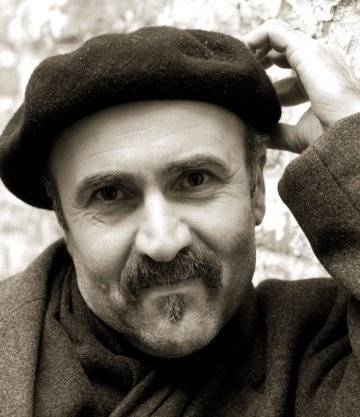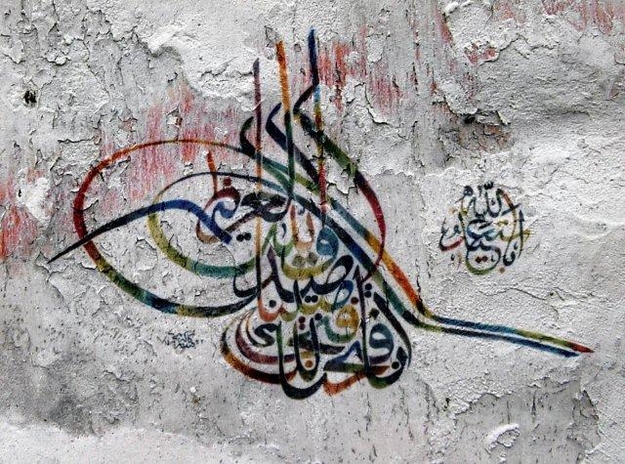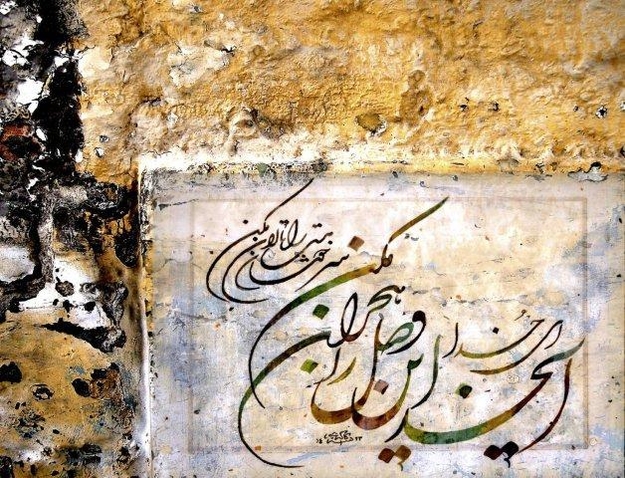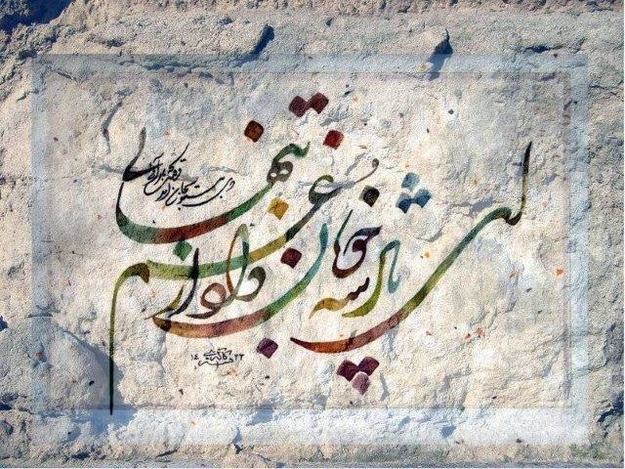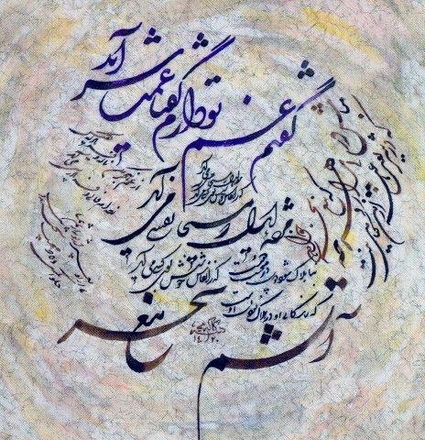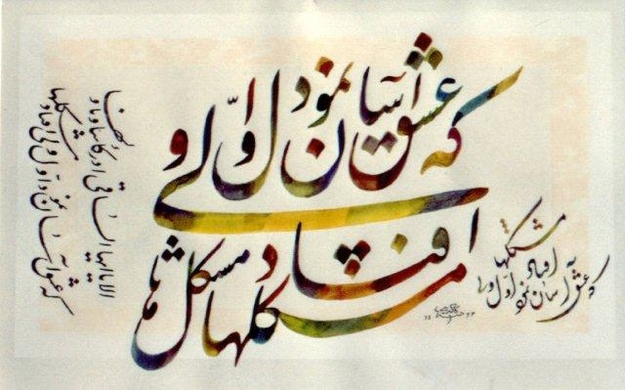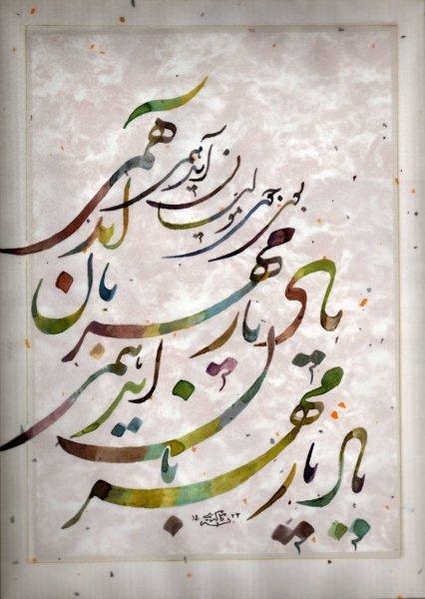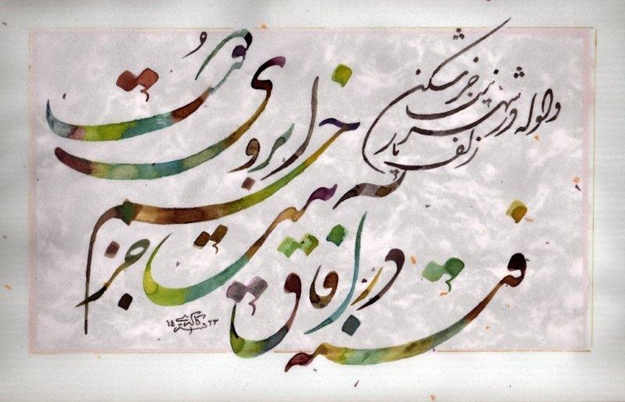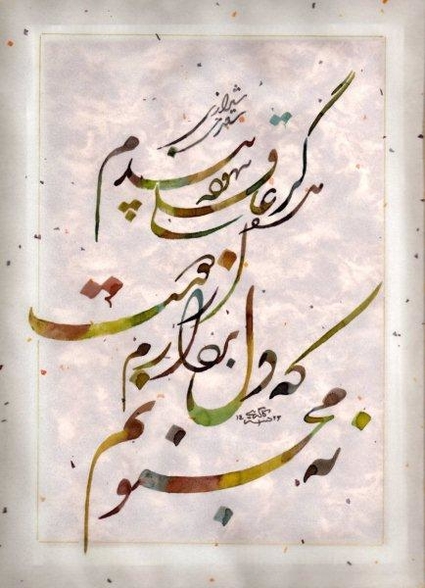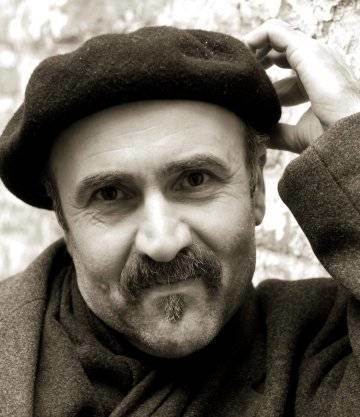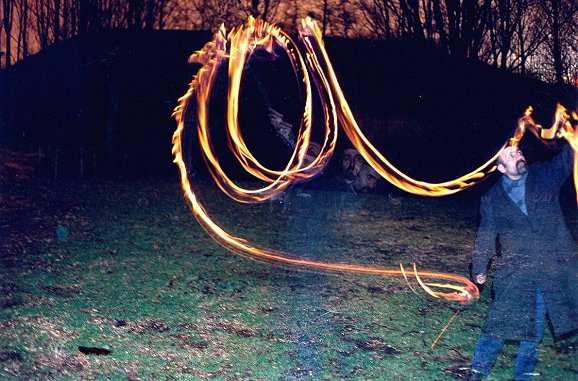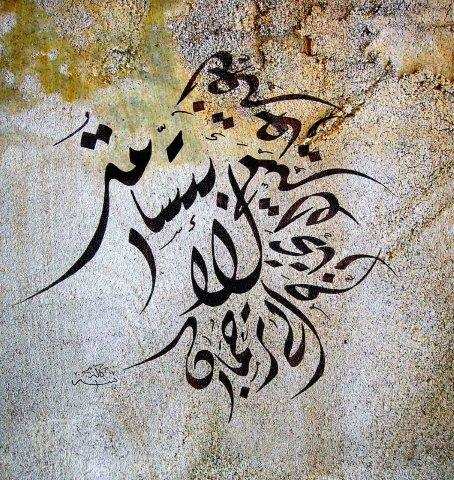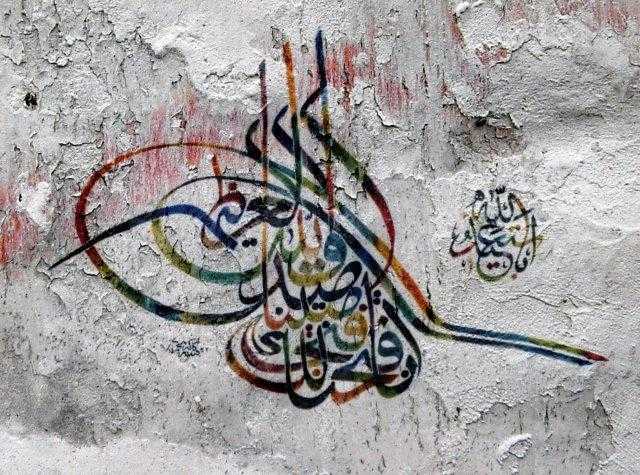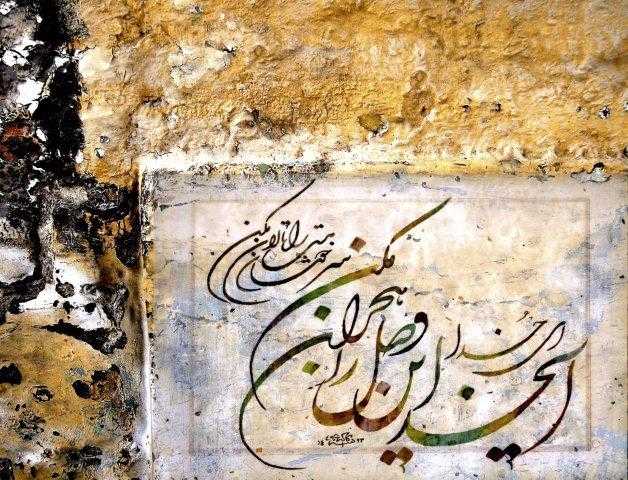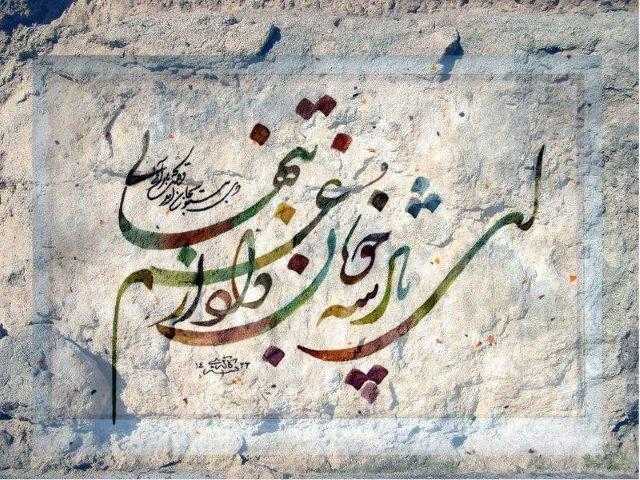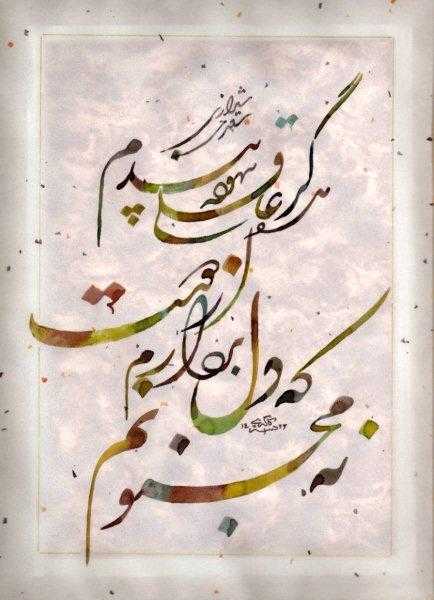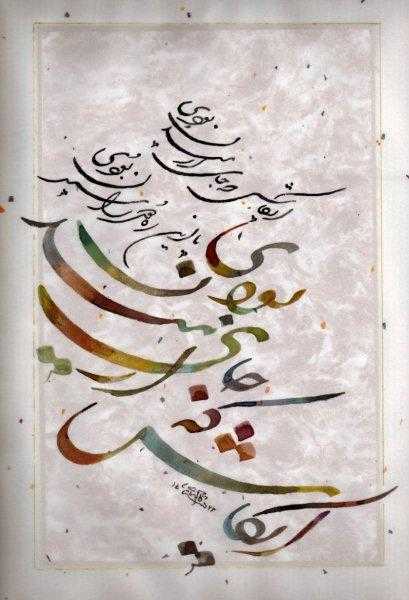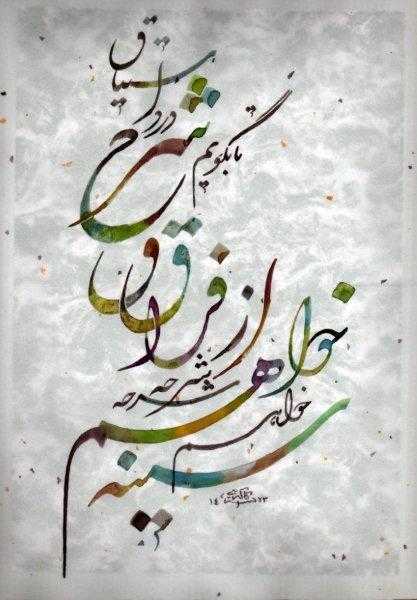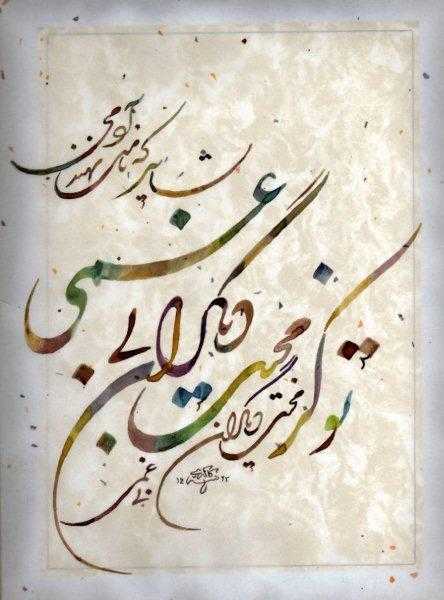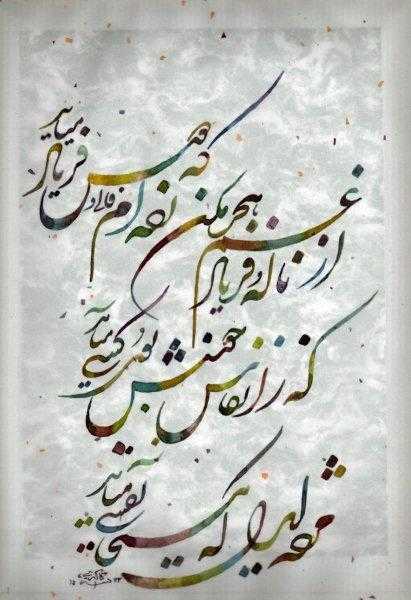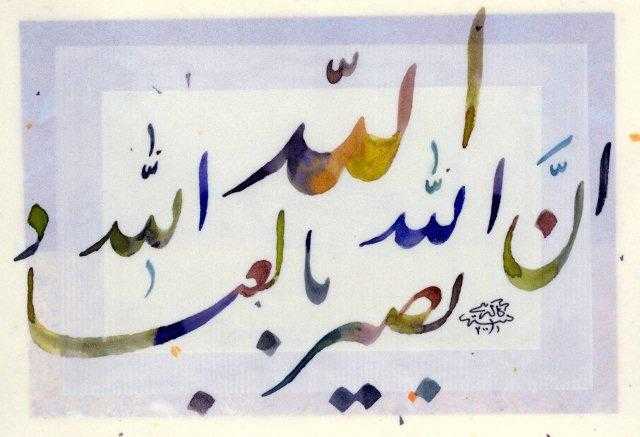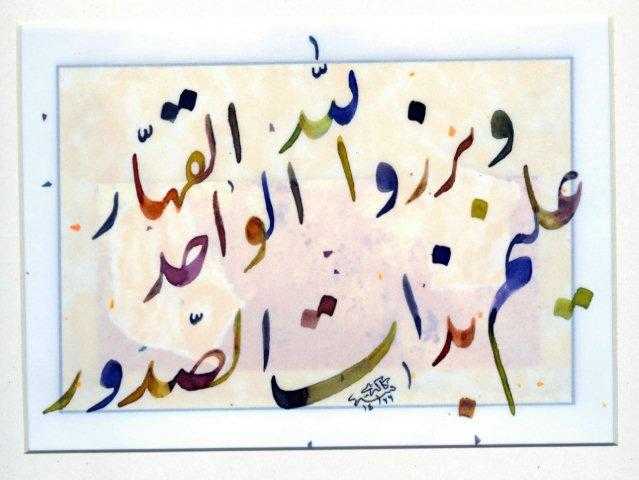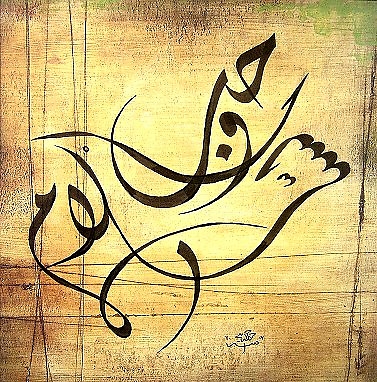
Kakayi is a Kurdish artist with a fairly dramatic personal story. He fled together with the family village, which yesterday by Sadam with chemical weapons wer as delivered. We know through the images on television, that there are more than 5000 fatalities were regrettable… many of them relatives and friends. The family has Kakayi particularly well with our integrated - but let even on their neatly language - so that we today on the artistic gain of Kakayi period.
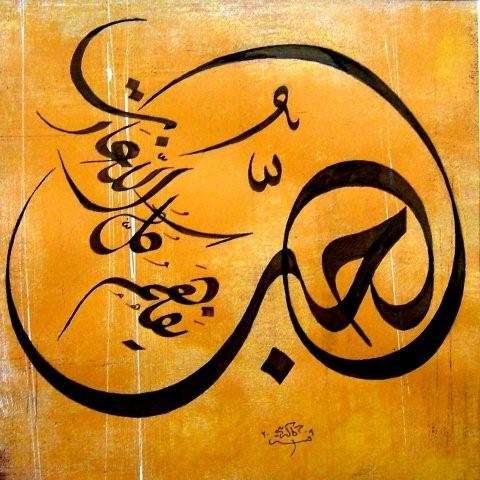
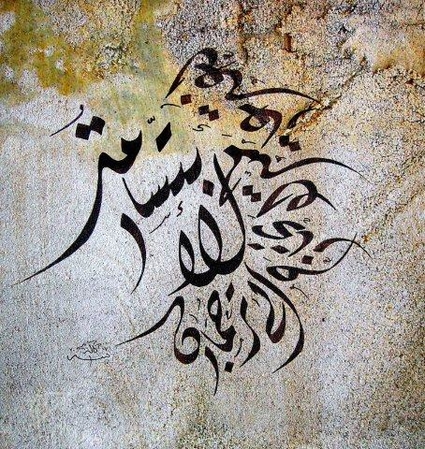
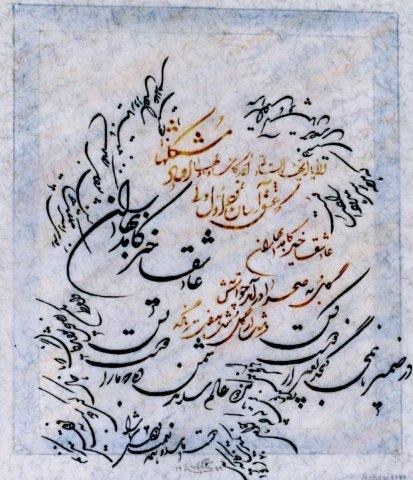
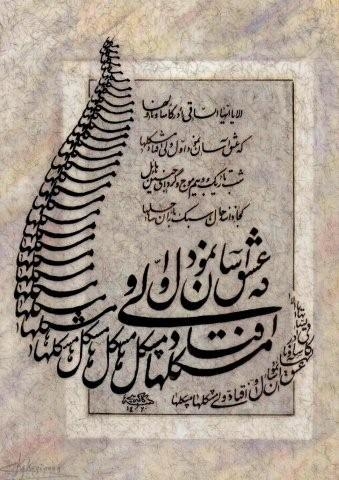
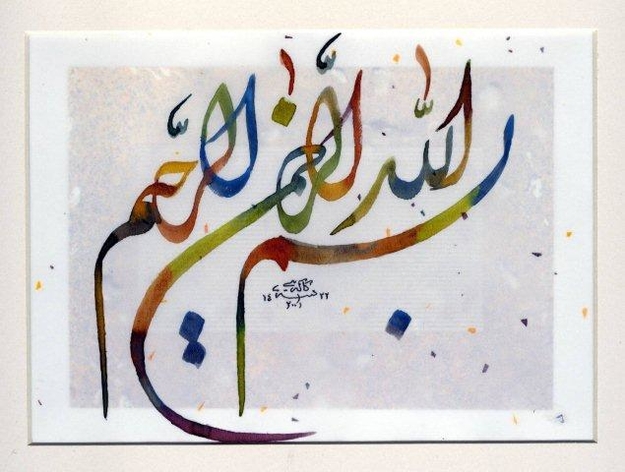
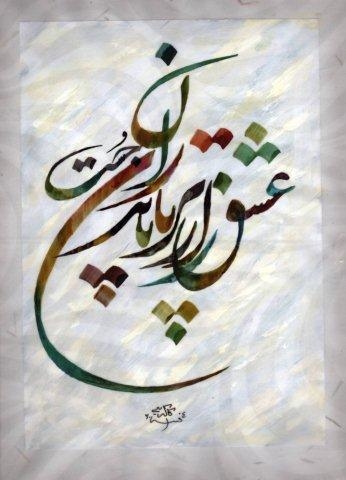
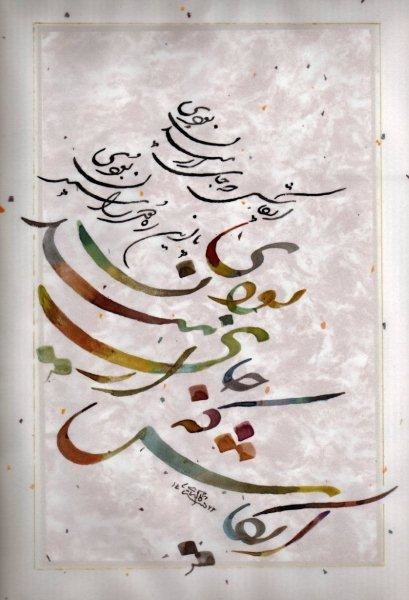
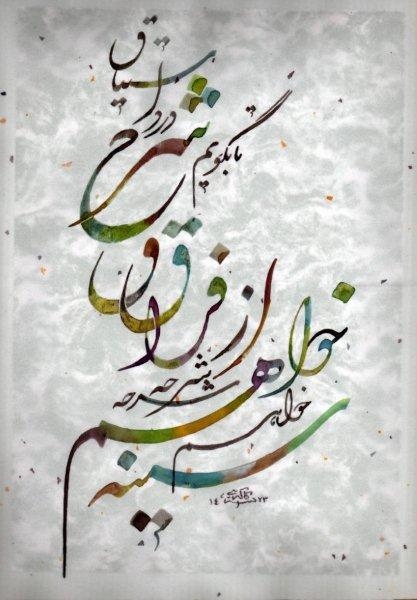
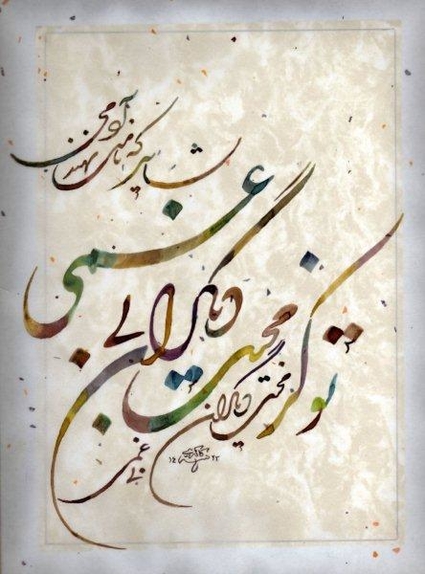
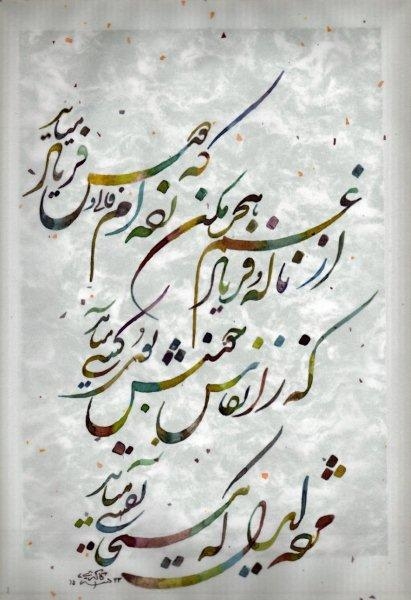
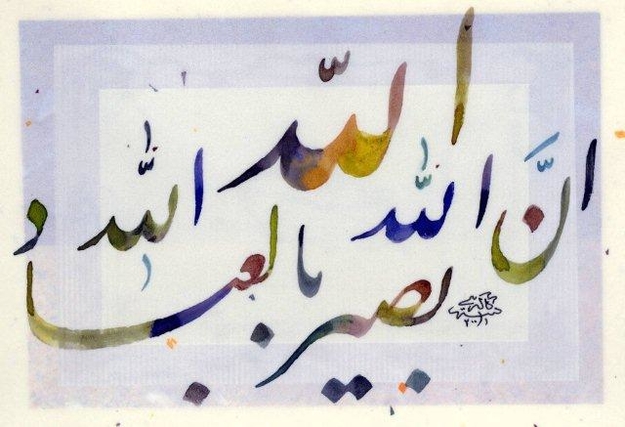
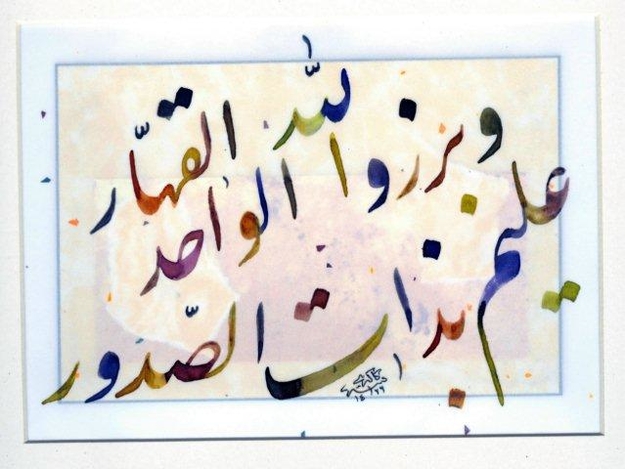
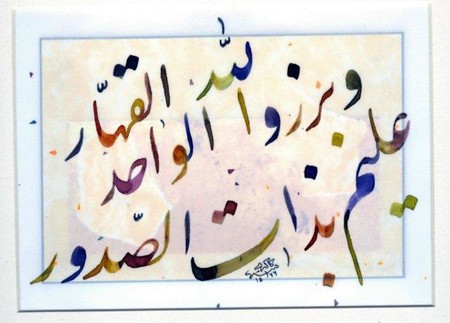
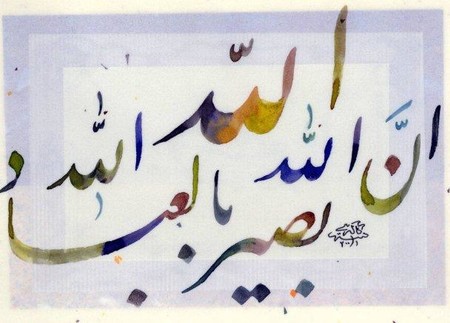
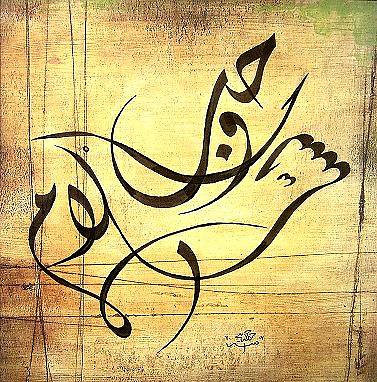
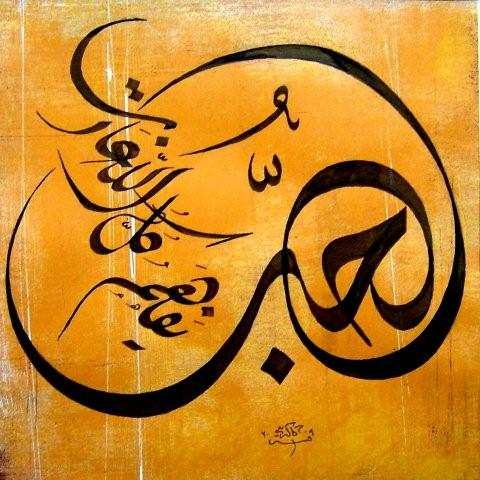
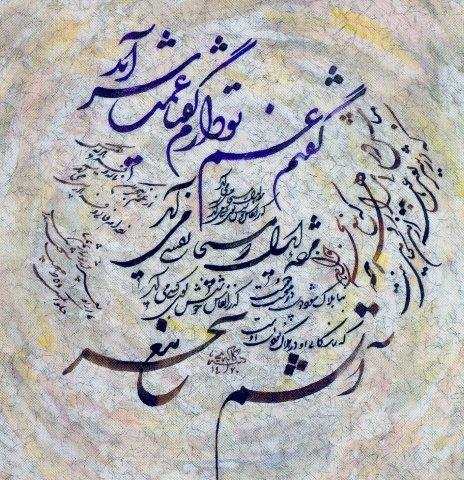
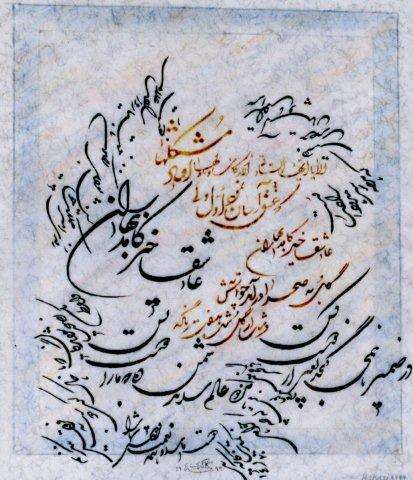
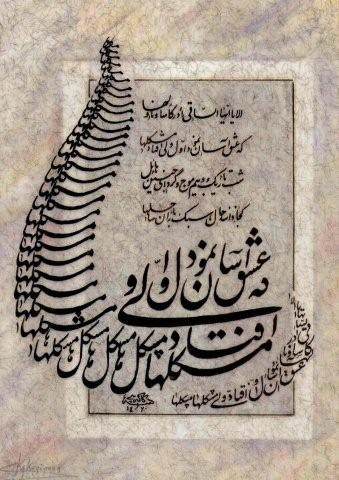
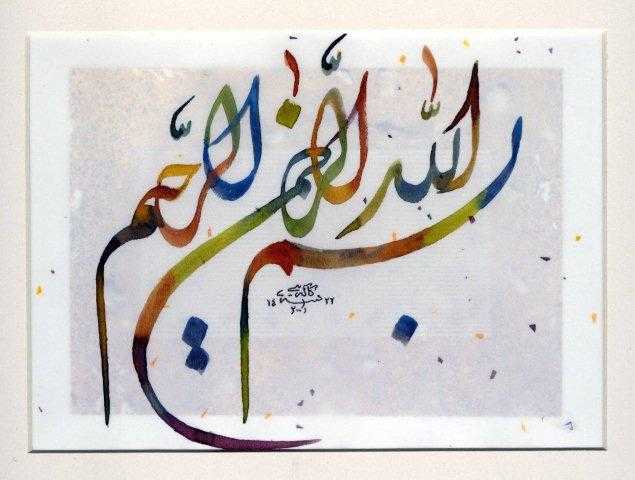
The discipline with which Kakayi with us attract the most attention, of course mastery in the Calligraphy. While in the Eastern cultures the calligraphy is more of a tradition, it is quite unknown to us and so little practiced Friday. The calligraphy is with us as what the art of beautiful writing… Kakayi succeeds however to this "beatiful writing" to enrich to a medium with the potential of an individual and spiritual expression. Kakayi, this expression than with such aesthetic and artistic value-added, so this discipline is lifted to the artistic level of the most valuable Western drawing.
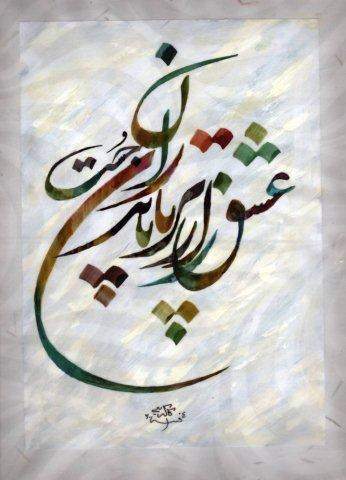
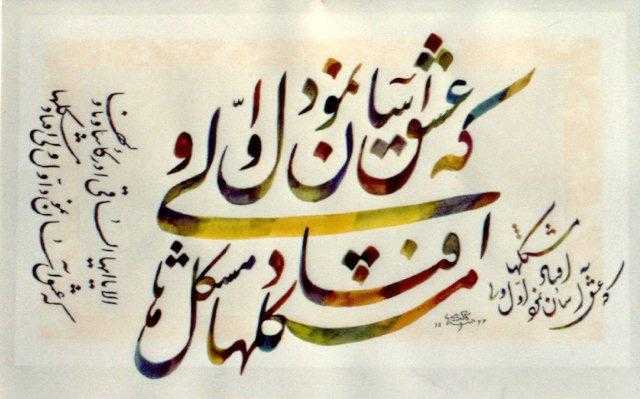
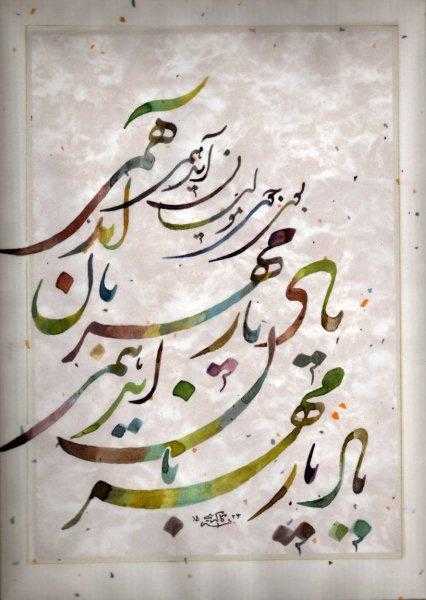
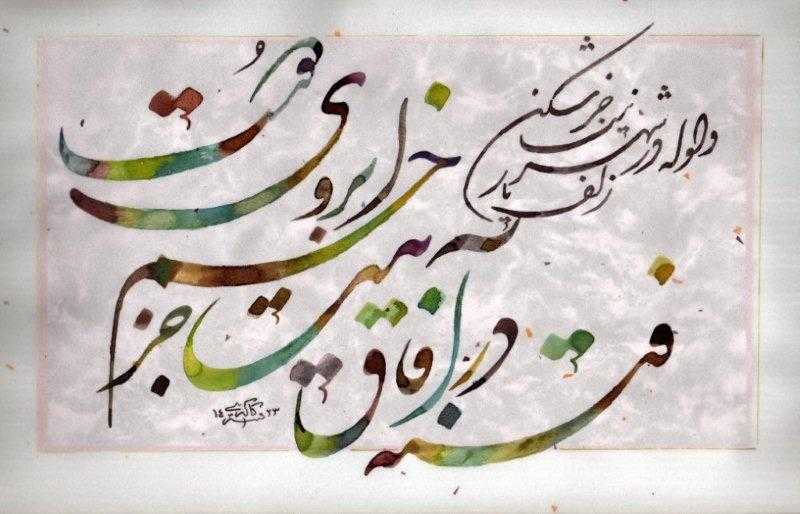
Eye for the still having traumatic history of this artist, the content of the work for me absurd. He brings still predominantly a message of love, peace, childish sentiments, tolerance and trust… a message that we translated "feel" through the iconography used. For most of us, beyond the Persian script is the limit of readability, but the rhythmic movement of the artists hand translates however, the emotion of the writer. The clarity and beauty of this work is here defined by the decorative quality of the characters and the subtle placement of characters.
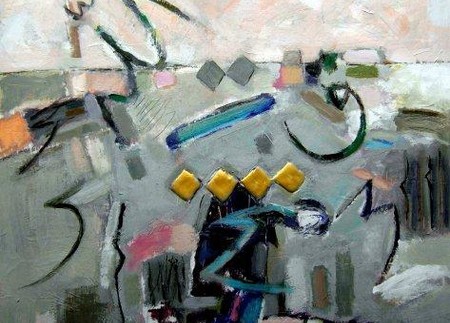
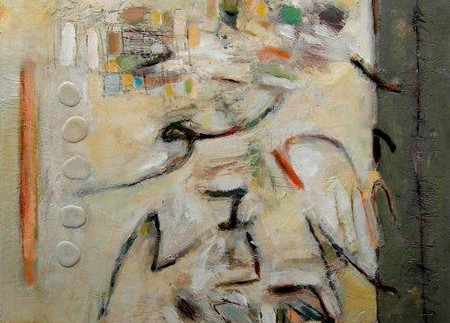
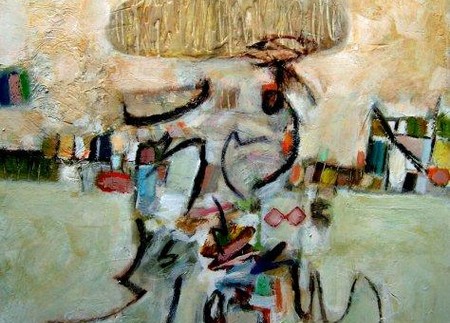
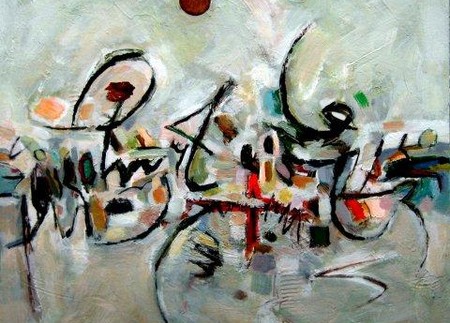
The paintings of Kakayi we find easy connection. From abstract view, these canvases as labyrinten decided that arise within the mind. Men feel the search for values, mysticism, for authenticity… its subtly colored the perception of a spiritual agenda. This work is honest and authentic touch. The contents feels like coming from the intimacy of a good fellow.
Fons Schipper, Art Manager Volvo. April 18, 2007